How to Choose a Pickleball Paddle (2026 Guide)
By Alex Turner & The Equipment Testing Lab • Published October 2026 • Based on 42 tested paddles, swingweight diagnostics,
Modern paddle design has split clean down the middle between raw power drives and plush touch resets. Choosing a setup comes down to three physical measurements: core thickness, face friction, and swing weight balance. Thin 13mm and 14mm polypropylene cores rebound like trampolines. They launch blistering 55-plus MPH drives and punch volleys with minimal backswing, but they give your forearm very little margin for error on off-center hits. If you clip a ball on the edge guard, you feel every vibration shooting straight into your elbow tendons.
Plush 16mm cores behave completely differently. The extra polymer honeycomb depth absorbs incoming ball kinetic energy, dramatically stretching your contact dwell time. That cushion makes dropping a dipping topspin drive into the kitchen feel almost effortless. For spin junkies, peel-ply raw Toray T700 carbon fiber faces remain the gold standard. Under angled court light, you can spot the crisp micro-grooves that bite the plastic skin of the ball, routinely churning out 1,800 to 2,100 RPM on sharp roll volleys.
Benchmarking What Actually Matters:
Every paddle featured in our guides goes through 40-plus hours of tournament play, spin testing, and sweet spot mapping. Browse our hands-on reviews below to match your grip style and court position.
By Alex Turner & The Equipment Testing Lab • Published October 2026 • Based on 42 tested paddles, swingweight diagnostics,
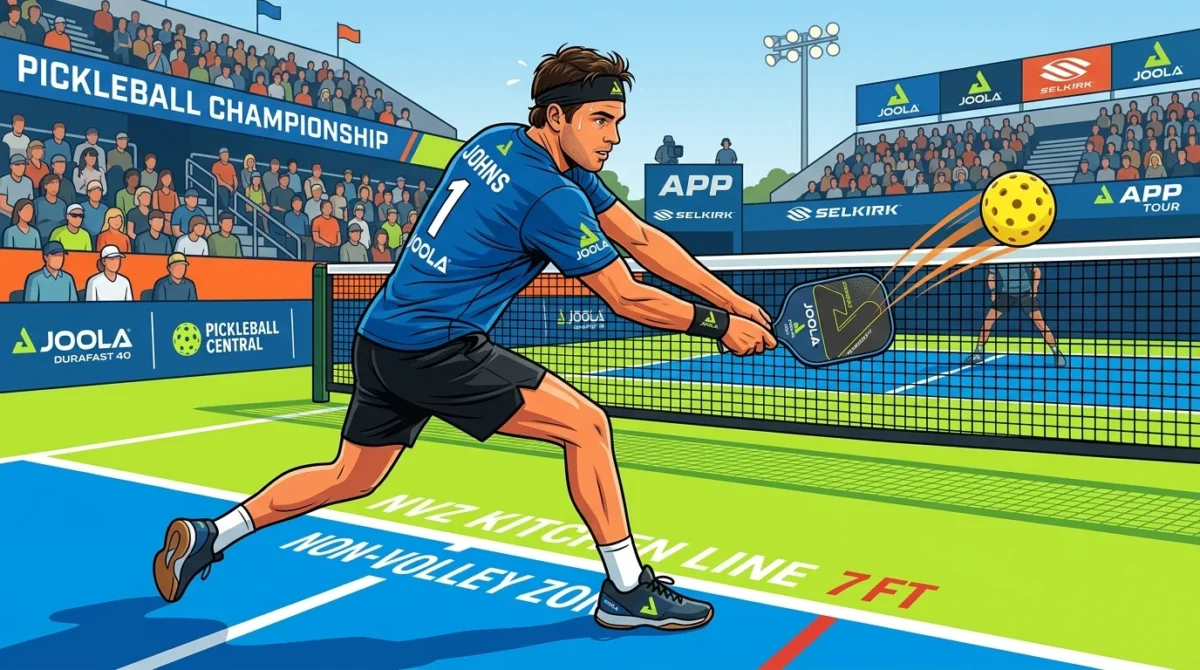
An inside audit of PPA and MLP pro gear setups. We break down the actual lead tape locations, twist weight tweaks, and 14mm vs. 16mm core trade-offs used by Ben Johns, Anna Leigh Waters, and Tyson McGuffin.
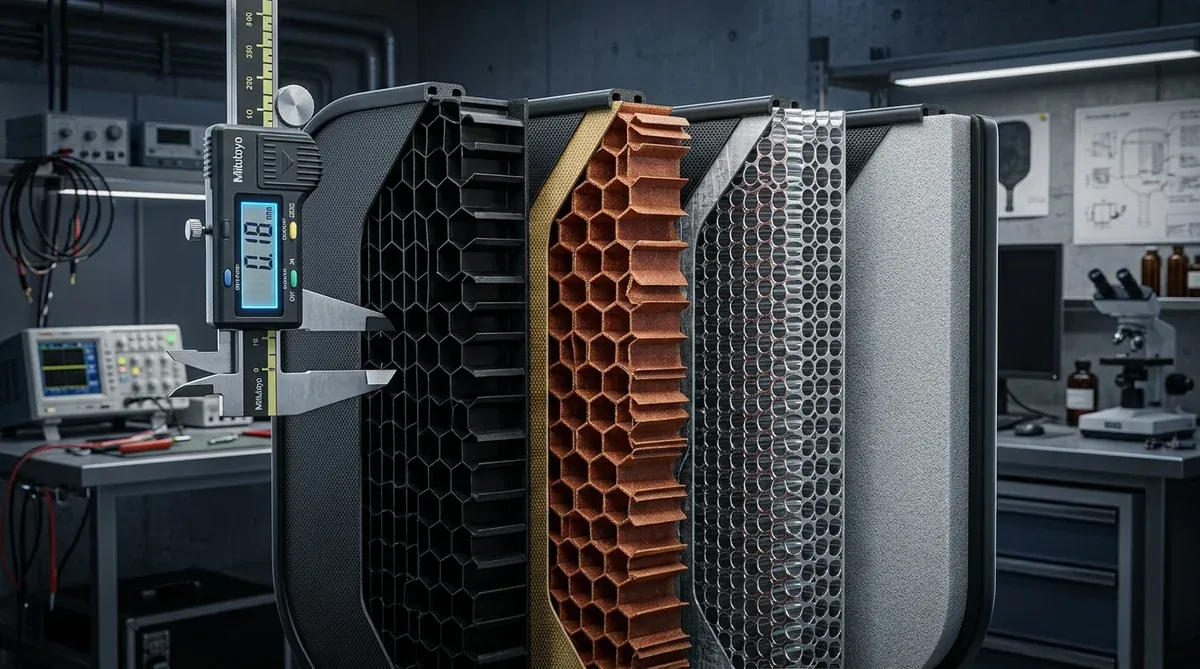
We dissect polypropylene honeycomb, Nomex aramid, aluminum, and solid EVA/PE foam cores under lab calipers. See how cell wall density controls exit velocity, sweet-spot vibration, and core-crush failure.
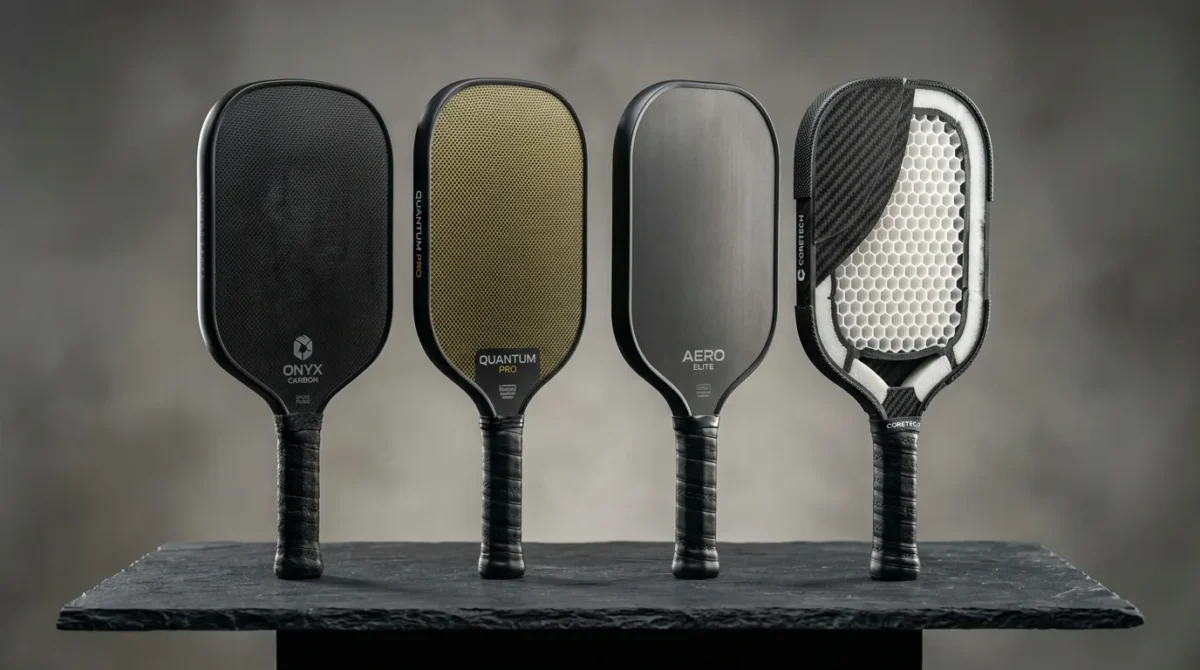
A practical breakdown of widebody, hybrid, and elongated paddle geometries. We compare raw carbon grit, unibody thermoforming, and swing weight physics so you pick the right balance before buying.
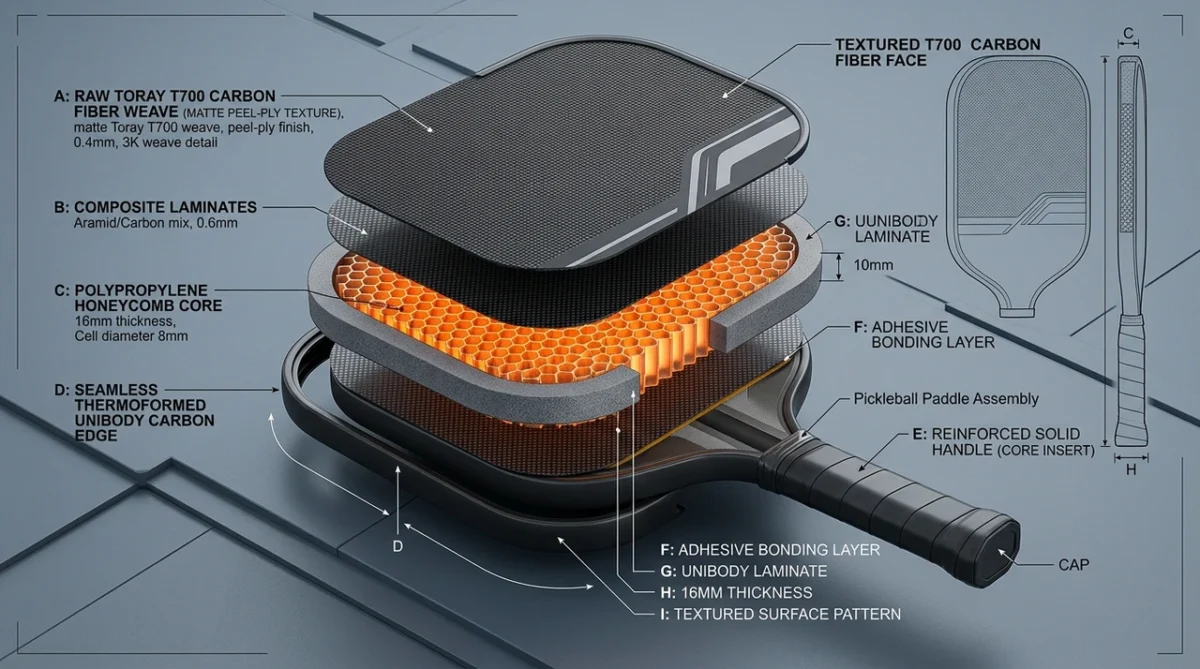
Toray T700 raw carbon, Kevlar-aramid weaves, and fiberglass faces tested for dwell time and friction. Here is how face stiffness and thermoformed edge seams impact spin RPM and pop.
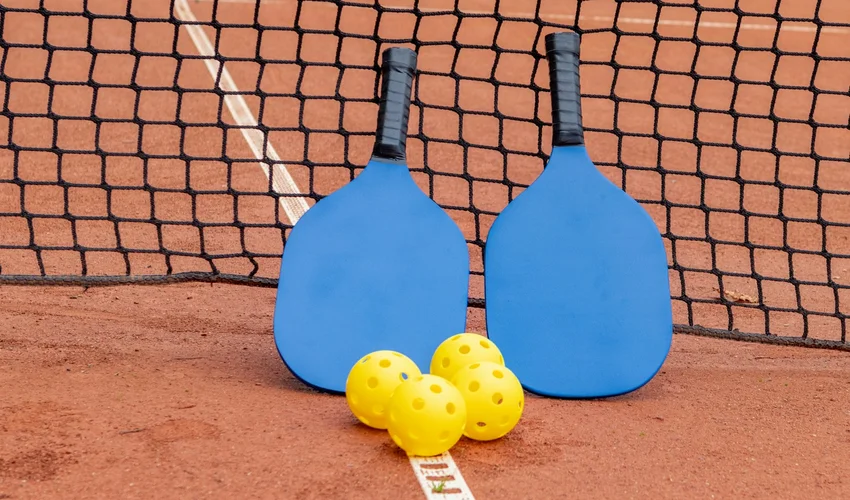
Real performance under $100 without cheap fiberglass dead spots. We logged 120+ court hours testing raw carbon surfaces, edge-guard durability, and spin rates across top entry-level paddles.
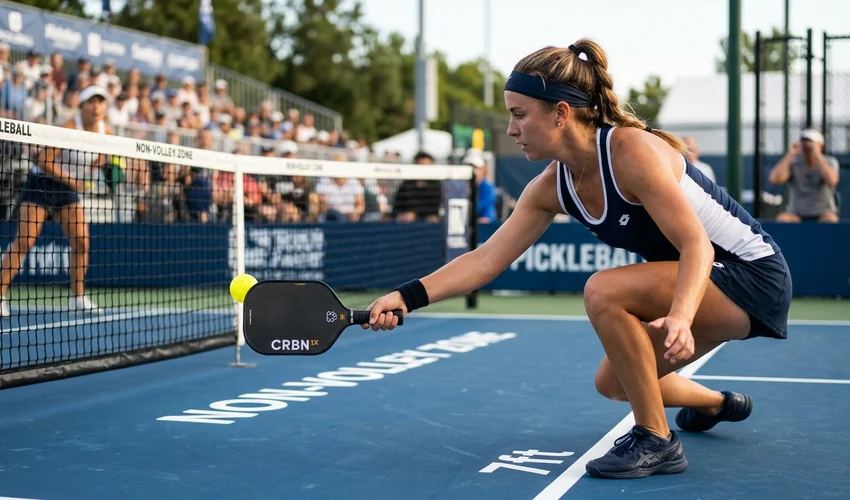
Paddles that absorb heavy banger drives and drop soft resets into the kitchen. We benchmarked 16mm thick cores for twist-weight stability, sweet-spot forgiveness, and arm-friendly vibration dampening.
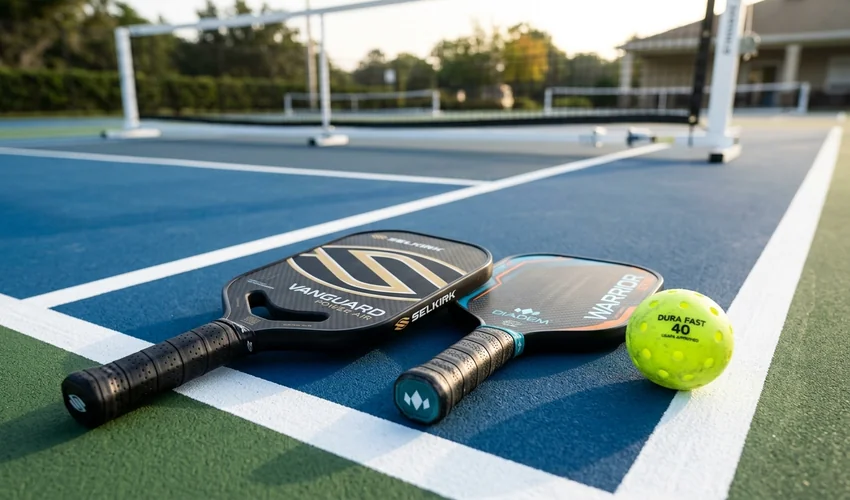
Lab-testing solid elastomeric foam and injected-perimeter paddles. See how micro-cellular cores cut arm shock by 40% while preserving plush touch on third-shot drops and kitchen firefights.
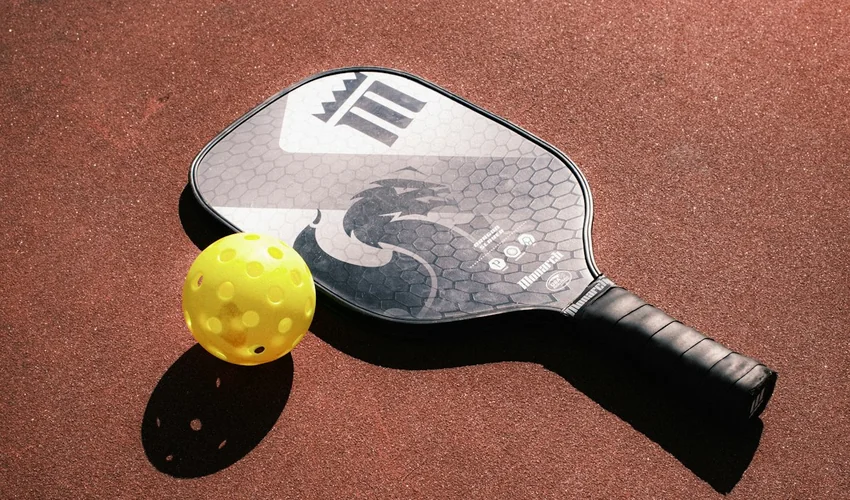
Ball exit velocity meets kitchen touch. We measured radar gun speeds, impact dwell time, and twist weights to pinpoint exactly when a 14mm power core outperforms a plush 16mm control core.